Progress — 32%
Protecting your health when you have a trach
If you have a trach, you’ll need to take steps to keep it clean and reduce your risk of developing infections like pneumonia.
Understanding your risk for pneumonia
Having a trach helps to prevent materials like food, liquids, and saliva from getting into your lungs, but some of these materials may still pass into your lungs by mistake. And when you have a trach, it can be harder to feel when food or drink goes down the wrong way. When materials get into your lungs, it can increase your risk of developing pneumonia. Having a trach, or any medical device that is inserted into your body, also increases the risk of pneumonia.
Your risk of getting pneumonia may vary based on your health history and current medical situation. Following the steps on this page can help to reduce your risk. Your ALS care team can assess your risk and recommend other steps you can take to help prevent pneumonia.
Hygiene
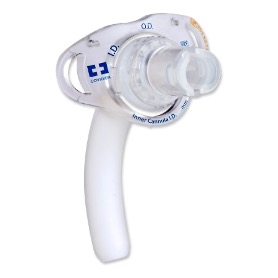
Trachs need to be changed, or replaced with a new tube, regularly to help prevent infections. Doctors recommend changing your trach about once a month. However, you may change your trach more or less frequently based on other factors, like your insurance coverage and how often you can get supplies. Typically, a family member or caregiver will need to change your trach at home. In some situations, a doctor may change your trach at a clinic or hospital.
You will also have a trach collar, a band that wraps around your neck to hold your trach in place. Doctors recommend changing your trach collar about every 3 months. You can have the collar changed at a clinic or hospital.
The most important thing is to keep your trach, the area around it, and anything that touches it clean. The area around your stoma needs to be cleaned with a cotton swab at least once a day. When you take a bath or shower, make sure water doesn’t spray or slash directly onto your trach. Aim the shower head lower so that the water hits under your neck to avoid getting the trach wet.
Tooth care is also very important when you have a trach. With a trach, bacteria (germs) are more likely to build up in your mouth. You’ll need to brush your teeth regularly or ask a caregiver to help you brush.
Cough support
Coughing is important because it helps to clear out your lungs and prevent you from developing infections like pneumonia. If your muscles are too weak to cough on your own, your ALS care team may recommend taking medicine or using a cough device to help you cough. CoughAssistTM and VitalCoughTM are 2 types of cough devices.
Suctioning
A trach provides access to your lungs so that a doctor or caregiver can suction them using an airway clearing device. Suctioning is key because it clears secretions from your lungs and helps you breathe.
Suctioning can be uncomfortable, and doing it too frequently cause bleeding and increase your risk for infections. Your ALS care team can give you guidance on how often to suction based on your medical needs. They can also suggest ways to make suctioning as comfortable as possible.