Lou Gehrig and ALS
More Than a Baseball Legend
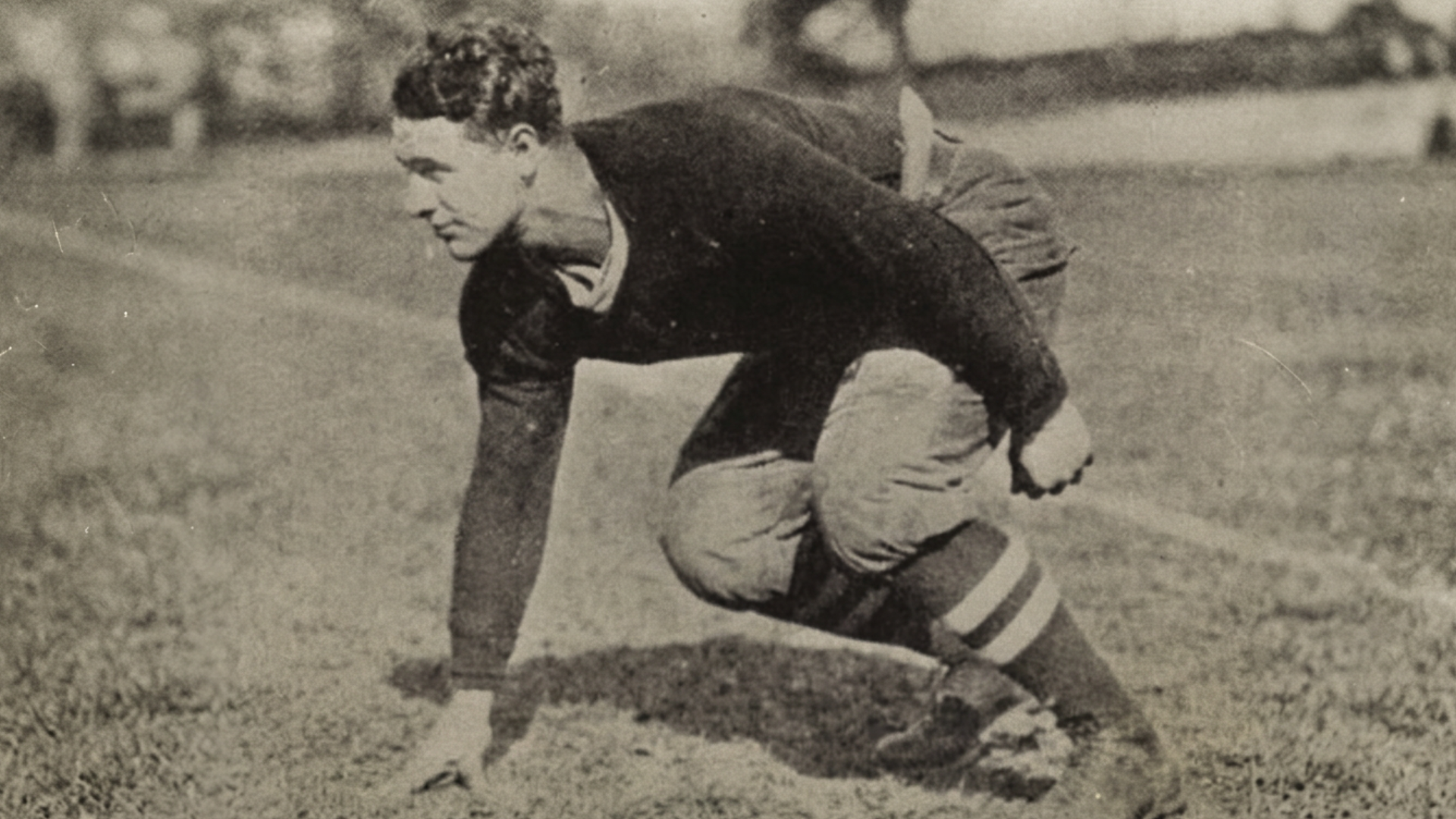
Born in New York City on June 19, 1903, Henry Louis “Lou” Gehrig grew up in a working-class family and attended Columbia University before signing with the New York Yankees in 1923. Over the next 17 seasons, he became one of the most accomplished players in Major League Baseball history.
Known for both his power at the plate and his quiet, dependable presence, Gehrig earned admiration for his discipline, humility, and consistency. Those qualities helped earn him the nickname, “The Iron Horse.” Long before his name became associated with ALS, Lou Gehrig represented dedication and perseverance to generations of baseball fans.
The Iron Horse
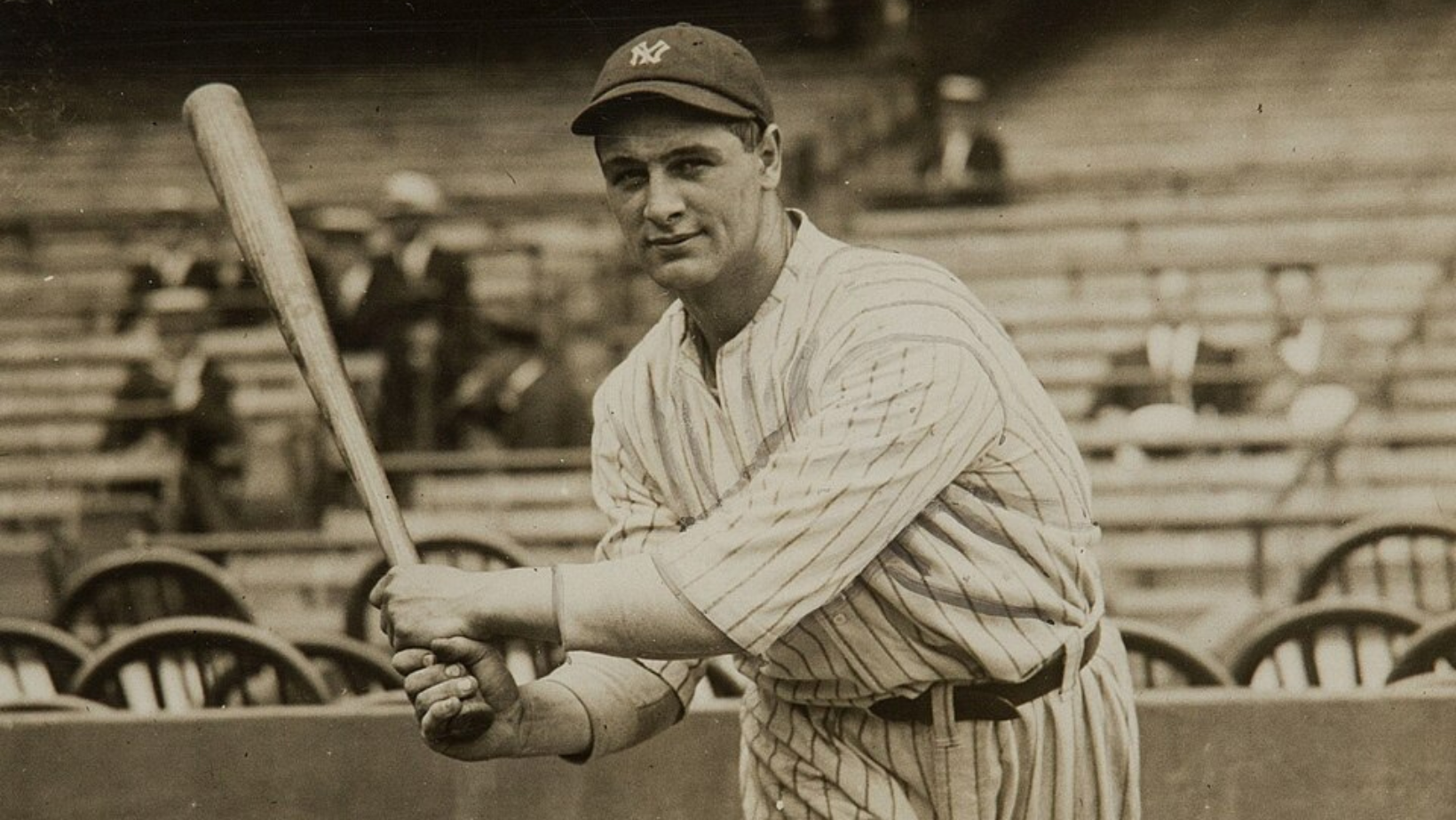
Lou Gehrig spent his entire major-league career with the New York Yankees, primarily as the team’s first baseman. From June 1, 1925, through April 30, 1939, he played in 2,130 consecutive games—a Major League record that stood until Cal Ripken Jr. surpassed it in 1995. His remarkable consistency and ability to play day after day made “The Iron Horse” one of baseball’s most enduring nicknames.
Gehrig finished his career with a .340 batting average, 493 home runs, and 1,995 runs batted in. He was named the American League’s Most Valuable Player twice and won the Triple Crown in 1934. In 1939, Gehrig was elected to the National Baseball Hall of Fame through a special election, and the Yankees retired his number 4—the first uniform number retired by a Major League Baseball team.
When the Game Changed
By 1938, Gehrig’s performance had begun to decline in ways that were unusual for such a consistently productive player. He experienced increasing weakness and difficulties with coordination, running, and completing routine plays. On May 2, 1939, Gehrig removed himself from the Yankees lineup, ending his consecutive-games streak at 2,130.
The following month, Gehrig traveled with his wife, Eleanor, to Mayo Clinic in Rochester, Minnesota. On June 19, 1939—his 36th birthday—he was diagnosed with amyotrophic lateral sclerosis, or ALS. Because Gehrig was one of the country’s most recognized athletes, news of his diagnosis brought unprecedented public attention to the disease. In the United States, ALS consequently became widely known as “Lou Gehrig’s disease,” a name that remains commonly used today.
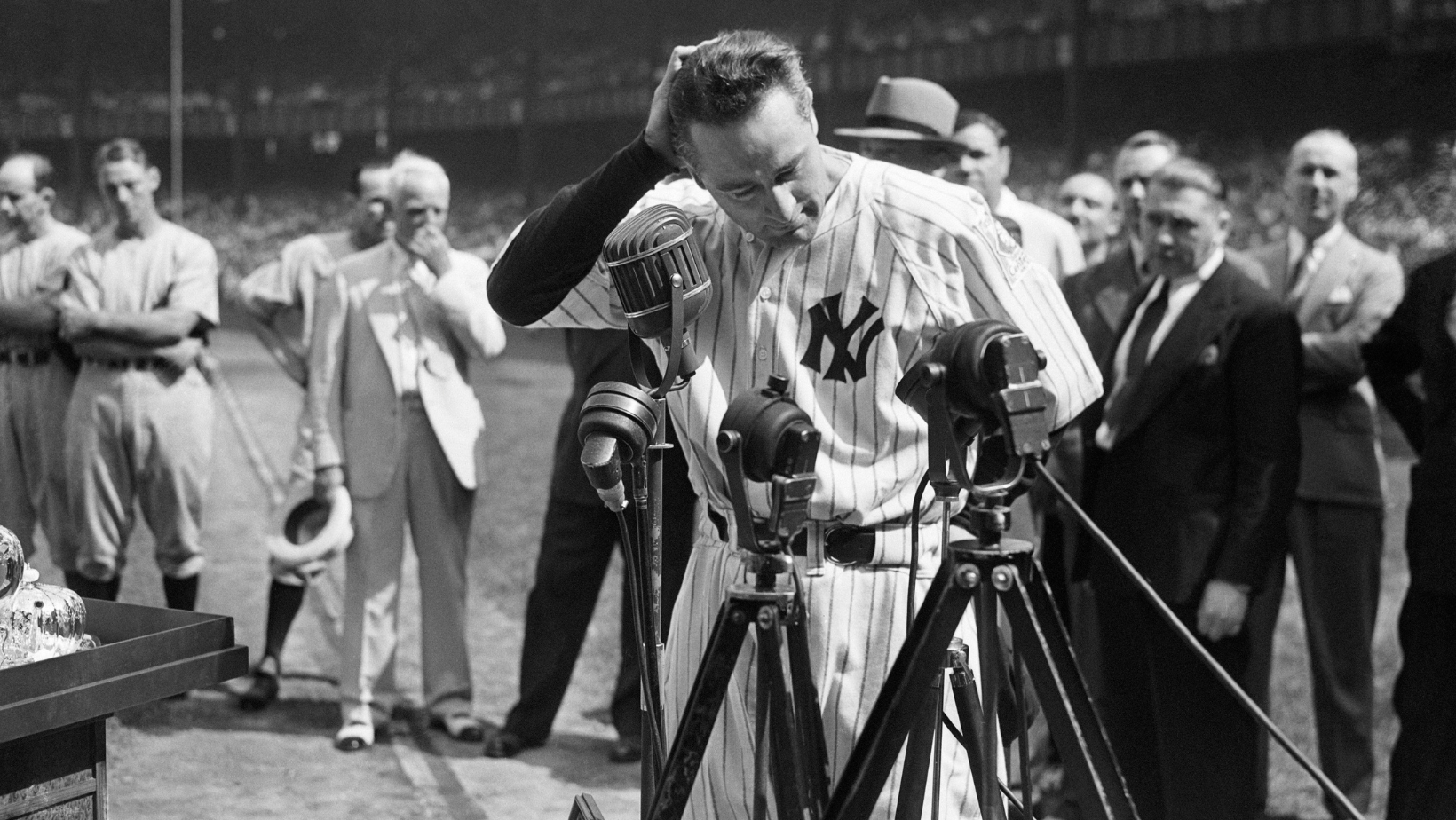
"Today, I consider myself the luckiest man on the face of the earth."
At Yankee Stadium, in front of thousands of fans, Lou Gehrig delivered one of the most remembered speeches in sports history. His words continue to represent courage, gratitude, and grace in the face of ALS.
What is ALS?
Amyotrophic lateral sclerosis (ALS) is a disease that weakens the muscles we use to move, swallow and breathe. It can, in some cases, also cause changes in behavior and thinking. The effects of ALS grow more severe over time and eventually become fatal. The symptoms and progression of ALS may vary greatly from person to person, which can make the disease difficult to diagnose, manage and treat.
Why is ALS called Lou Gehrig's Disease?
French neurologist Jean-Martin Charcot is credited with identifying and describing ALS as a distinct neurological disease in the 19th century. When Gehrig’s diagnosis became public in 1939, his prominence as one of baseball’s most celebrated players brought widespread attention to a disease that was unfamiliar to much of the public. In the United States, ALS subsequently became widely known as "Lou Gehrig’s disease".
How You Can Help Change the Story
 Make a Donation
There may be no better way to celebrate the life and memory of a loved one than a gift in support of their dream of finding a cure for ALS or providing hope and help to those currently battling the disease.
 Attend an event or Fundraise
Whether you participate in an event like the ALS Walk for Life, create your own fundraiser, or rally your community in support of people living with ALS, every effort helps fund compassionate care, research, education, and support services while raising awareness of the disease.
 Volunteer
Whether you volunteer at an event, support Foundation programs, or lend your time in other ways, volunteers help strengthen the ALS community and make a lasting difference.
 Support Research & Raise Awareness
Every conversation, social media post, and shared story helps more people understand ALS and the challenges faced by those living with the disease. Staying informed, sharing trusted information, and supporting research and clinical trials all help move us closer to better treatments—and one day, a cure.
In Conversation with Gehrig biographer Jonathan Eig

To commemorate Lou Gehrig Day, enjoy a special discussion with two longtime friends of the Les Turner ALS Foundation: Jonathan Eig, acclaimed New York Times best-selling author of 'Luckiest Man: The Life and Death of Lou Gehrig,' and Lin Brehmer, longtime DJ at 93WXRT and Chicago baseball fan.
During the 30-minute program, Jonathan talks about what went into writing 'Luckiest Man,' who Lou Gehrig was on and off the field, his diagnosis and battle with ALS, and the lasting legacy of the man forever remembered as the "Iron Horse."
Share this Page