Otsuka and Ionis have announced that ulefnersen, an investigational treatment for FUS-ALS, met its primary endpoint in the Phase 3 FUSION trial. It is the first FUS-ALS trial ever to do so. The companies report: The study met its primary …
Below you'll find a list of all posts that have been categorized as “Research News”
Otsuka and Ionis have announced that ulefnersen, an investigational treatment for FUS-ALS, met its primary endpoint in the Phase 3 FUSION trial. It is the first FUS-ALS trial ever to do so. The companies report: The study met its primary …
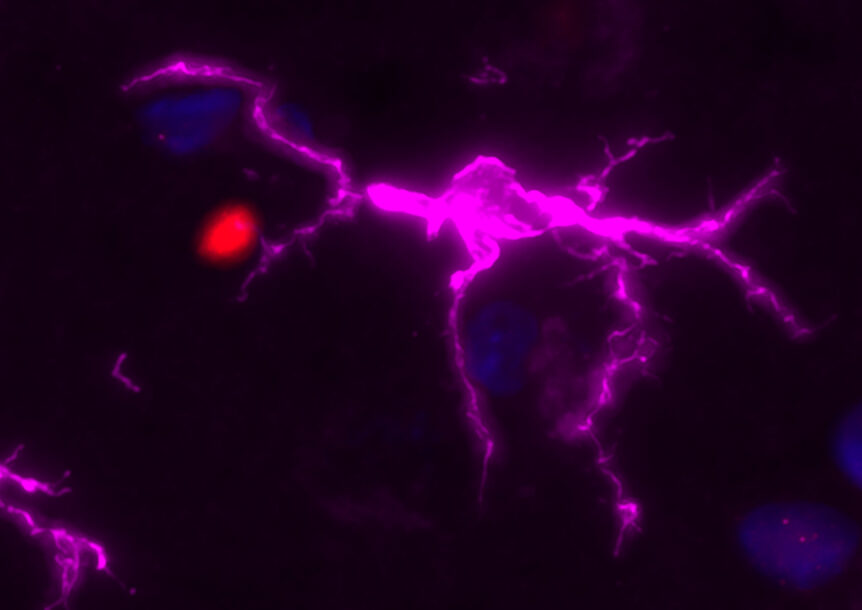
Researchers have long suspected the immune system to be a key player in the connective breakdown between the brain and the muscles in people with ALS. At the Les Turner ALS Center at Northwestern Medicine, neuroimmunologist and assistant professor David …
July 13, 2026 Russell Vought, Director Office of Management and Budget Executive Office of the President 725 17th Street NW Washington, DC 20503 Re: Neuromuscular Disease Patient Advocacy Organization Comments on the “Regulation for Federal Financial Assistance” Proposed Rule – …
More than 15 years ago, Northwestern University professor Richard Silverman set out to discover a small molecule compound that could prevent toxic protein aggregation in the brain. From that journey came NU-9, a drug that prevents the aggregation of the …
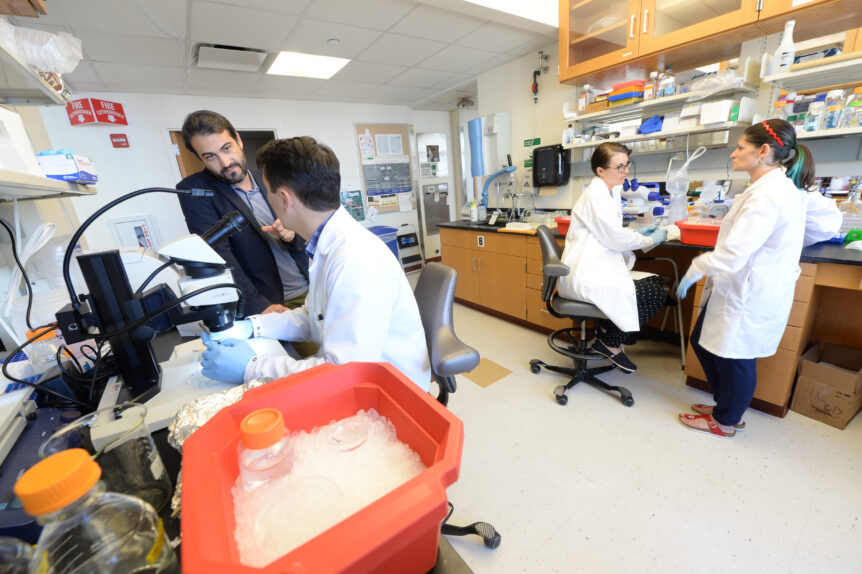
Digging deep into the molecular mechanisms behind ALS, researchers at the Les Turner ALS Center at Northwestern Medicine have discovered why nerve cells overfire in the disease. Not only that—they have also designed a new drug to stop this overfiring, …
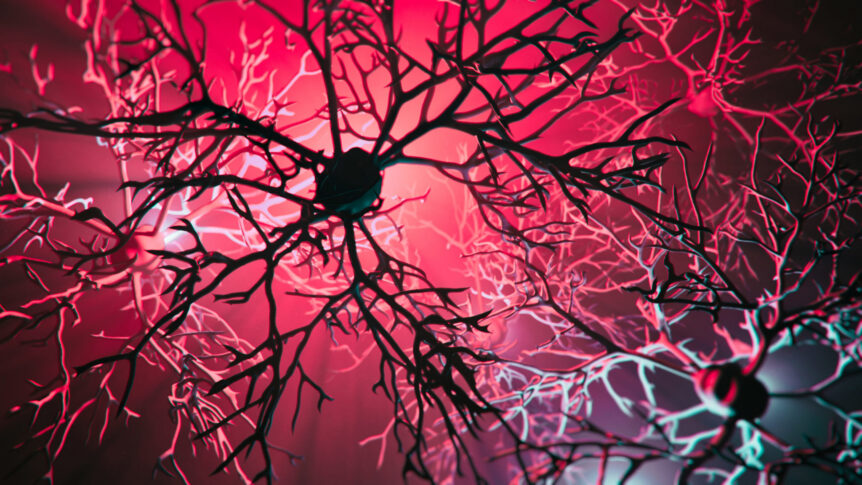
Study links TDP‑43 pathology to inflammation, disease progression and survival across ALS subtypes. Study used cutting-edge techniques to analyze blood, spinal cord samples from hundreds of patients Immune signatures differ by ALS type (genetic or non-genetic), disease stage, speed of …
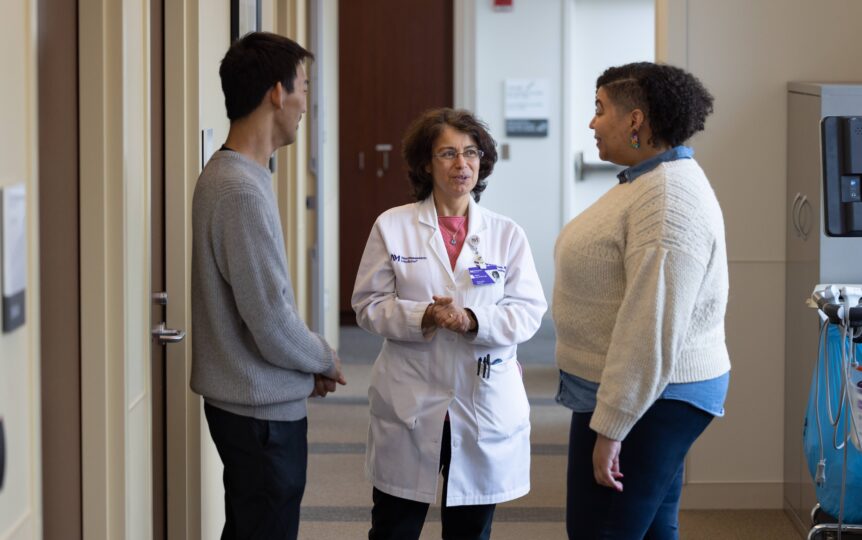
As director of the clinical research program at the Les Turner ALS Center at Northwestern Medicine, Senda Ajroud-Driss has seen her share of potential ALS therapies. Though many drugs have not made it past clinical trials, recent advances have given …
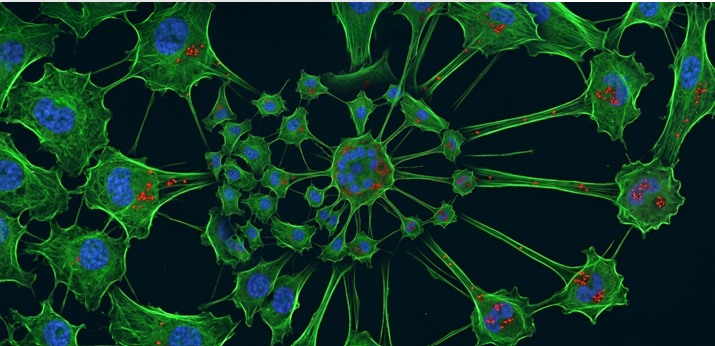
To understand neurodegenerative diseases like ALS, researchers are looking beyond individual neurons and examining tiny bridges that connect neurons to other neurons. These bridges, called tunneling nanotubes (TNTs), shuttle molecules and proteins between cells, including small structures with specific functions …
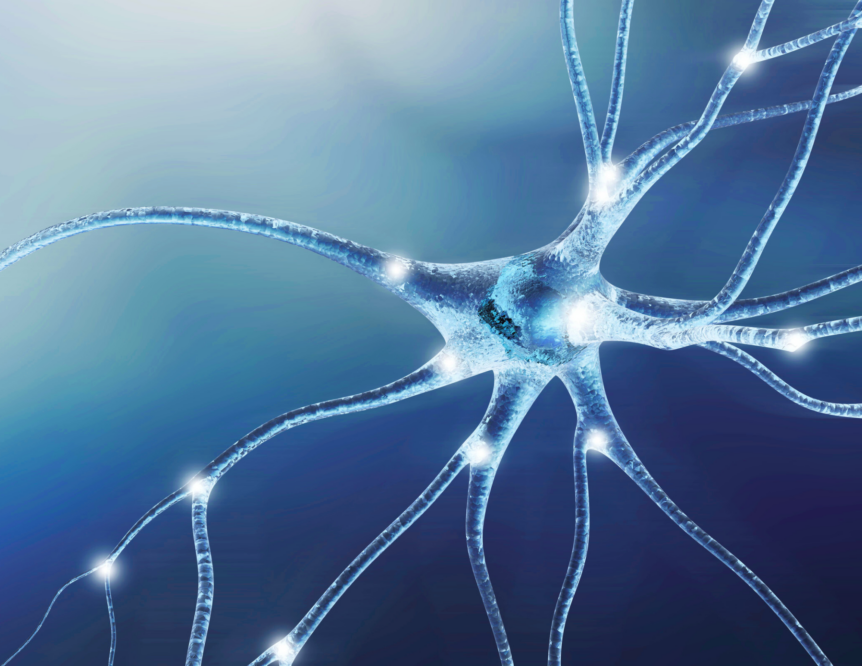
One distinct hallmark of ALS is the dysfunction of a tiny protein called TDP-43. This protein normally lives within a cell’s nucleus, but in the case of ALS, it becomes dysfunctional, migrates out, and aggregates into the cell’s cytoplasm. The …

Every moment is an opportunity. It’s estimated that every 90 minutes, someone is diagnosed with ALS. But how many more minutes will pass before that person has the chance to receive care at a multidisciplinary ALS clinic that can extend …
